The 10 Best Diesel Generators Offers in UK - September 2026


- Compact yet powerful: With a long run standby generator from Hyundai offers either switchable 230v single phase or 400v 3-phase voltages. This generator is ideal for workshops, garages and home use.
- Quiet Generator: Housed in silenced casing, an extremely quiet machine and will keep disturbance to a minimum for you, your family or your employees when powering your building. With a sound rating of 70dB @ 7 metres.
- Fuel Type & Run Time: The large 25L fuel tank increases running time to a maximum of 30 hours, powered by a 4-stroke, air-cooled 456cc single cylinder Hyundai diesel engine, the DHY8000SELR-T has a maximum output of 5.8kW / 7.25kVA.
- Economical to Run: Using roughly 1L of diesel every hour. Since the generator can run on red diesel, which is significantly cheaper than the white diesel you put into your car, running costs can be kept to a minimum.
- An ATS (Automatic Transfer Switch) sold separately: Can be connected to an ATS system for maximum convenience. When the ATS module - detects a loss of power from the mains supply it starts your generator up automatically and switches the supply from mains to generator

- Reliable Hyundai Power: powered by our Hyundai D400E 10hp single cylinder engine. Producing a max output of 5.2kW / 6.5kVA*. The generator has 1 x 115V 16amp, 1x 115V 32amp and 1 x 230V 32amp sockets. You can easily switch between 110V / 230V using the switch on the control panel.
- Ease Of Use: Features electric start and a convenient digital control panel which displays the frequency, voltage and total run time. Keeping on top of the required services is easy when monitoring the hours on the pane
- Silenced Operation: Part of the Hyundai silent range so is a quiet generator and comes with a sound attenuated canopy to reduce overall noise levels making it suitable for domestic or low noise areas.
- Engine Protection: The built-in low oil alarm and automatic shutdown keep the generator safe during operation and ensure the engine is protected at all times.
- Long Run Time: The large 13-litre fuel tank can provide up to 16 hours of run time @ 50% load. The DHY6000SE can run on standard white or red diesel.

- POWERFUL STANDBY PERFORMANCE: The Excel Power XLD9500Q diesel generator delivers 6500W starting power and 6000W running output for reliable residential and commercial applications. Perfect for home backup, workshops, lighting systems, appliances and outdoor equipment during power outages.
- ELECTRIC START CONVENIENCE: Designed as an advanced electric start generator, this model features simple key ignition for quick operation without manual pulling. Ideal for home backup, catering vans, construction areas and working environments requiring dependable standby power.
- AVR STABLE POWER OUTPUT: Equipped with an AVR alternator for controlled voltage stability, this unit safely powers appliances, lighting systems and power tools. Excellent for home generators for power outages, providing dependable energy support during blackouts, storms and standby applications.
- LONG RUNTIME & LOW EMISSIONS: Powered by a robust 498cc direct injection diesel engine with a 26L fuel tank, this generator delivers extended runtime and efficient fuel consumption. Stage V low-emission certified design ensures reliable operation with reduced environmental impact plus a 1-year warranty.
- DURABLE STANDBY POWER DESIGN: Built with a heavy-duty compact canopy, durable wheels and integrated handles, this unit offers easy placement and storage. Suitable for home backup, workshops, garages and commercial standby power applications.

- 【Multifunction Power Supplier】4-stroke petrol generator produces 3500W max watts and 3200W running watts. It is easily able to keep the lighting system or a small family house, power air conditioners and many other small appliances such as refrigerators,coffee machine at the same time.
- 【Provide Clean Power】This inverter technology provides more steady power, produces clean power to safely operate and prevent damage to sensitive electronics such as phones, tablets, televisions and computers.
- 【Multi-Function Display】Easy to monitor voltage and frequency power; display remaining fuel, which is suitable for timely fuel change; display cumulative runtime, which is suitable for later generator maintenance; display unique runtime, perfect timer function.
- 【Lightweight and Powerful Motor】Only 26 kg, small and compact, easy to carry, 223 cc OHV motor with two 230 V ports and a 12 V DC connector, provides plenty of power for multiple tasks.
- 【Brand Warranty】 Maxpeedingrods warrants all the inverter generators against defects in workmanship under normal use for a period of 2 years from the date of retail purchase by the original end-user purchaser ("Warranty Period"), and free lifetime technical support and customer service.

- Extended Runtime 7.5L Fuel Tank – Large-capacity tank delivers up to 14 hours at 10% load and 5.8 hours at 50% load, reducing refuelling stops during weekend-long off-grid use.
- 3.3kW Peak / 3.0kW Continuous Output – Reliable mid-range inverter power ideal for caravans, motorhomes and leisure setups running fridges, lighting and small appliances together.
- Pure Sine Wave Safe Power – Clean, inverter-regulated 230V output protects laptops, phones, TVs and other sensitive electronics.
- 208cc Euro V 4-Stroke Engine – Robust air-cooled petrol engine provides strong power reserve for sustained performance while running on standard unleaded fuel.
- Quiet Inverter Technology with ECO Mode – Runs at 72 dBA @ 7m at 50% load; ECO mode lowers engine speed under lighter loads to reduce noise and improve fuel efficiency.


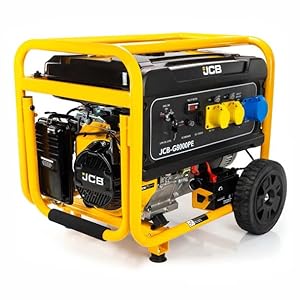
- Powerful 7.9kW petrol generator: Delivers up to 7.9kW / 9.8kVA maximum output and 7.5kW / 9.4kVA continuous power, ideal for construction sites, workshops, farms, garages and demanding trade applications.
- 457cc 15HP JCB engine: Heavy-duty single-cylinder petrol engine delivers dependable power for running site tools, lighting, workshop equipment and other demanding electrical equipment.
- 115V & 230V power outputs: Equipped with 1 x 230V / 32A socket and 2 x 115V / 16A sockets, allowing you to power a wide range of trade tools, site equipment and machinery from one generator.
- Electric & recoil start: Convenient electric starting makes the generator quick and easy to operate, with recoil start as a dependable backup and a large 25L fuel tank for extended use.
- Heavy-duty site generator with wheel kit: Strong 32mm open frame helps protect the generator in demanding working environments, while the included wheel kit makes the 99kg unit easier to move around sites and workshops.
- Built-in protection & 3 year warranty: Overload protection and low-oil shutdown help protect the generator and engine during operation, backed by JCB's 3-year warranty for added peace of mind.

- Powerful Performance & Long Runtime: Equipped with a reliable 149cc 4-stroke OHV petrol engine, this generator delivers a peak output of 3400 watts and a rated running power of 3200 watts. Featuring a convenient recoil start system, it runs for up to 5 hours at half load on a single 5L fuel tank capacity, perfectly compatible with 50Hz UK household power supply
- Digital Smart Gauge & Fuel Saving Mode: Built-in intelligent gauge keeps you fully informed of voltage, running time, hertz and real-time power output. Equipped with a low oil warning LED and dedicated economic mode to cut fuel usage and improve overall efficiency
- Multifunction Control Panel: Features two 230V AC outlets, one 12V DC 8.3A vehicle charging port, plus dual USB-A and USB-C ports. It is parallel ready, allowing two generators to be connected together to double your power output (parallel kit sold separately). The integrated control switch integrates fuel control, engine start/stop and choke functions to simplify start-up and overall operation
- Inverter Technology & Low Noise Operation: This portable pure sine wave generator delivers clean, stable power ideal for sensitive electronic devices including phones, laptops and TVs, with a THD level lower than 3%. The fully enclosed structure effectively lowers operating noise, producing only around 62dB at a distance of 7 metres
- Reliable Quality & Versatile Application: All petrol inverter generators undergo strict factory functional testing to ensure stable performance. Every unit is backed by a 1-year limited warranty and lifetime professional technical support. Weighing only 23 kg, this unit is highly portable and ideal for home power emergencies, outdoor gatherings, camping, caravan and RV trips, as well as construction and on-site work

- 【Multifunction Power Supplier】 4 stroke 345cc inverter generator produces 5500W max watts and 5000W running watts. It is easily able to run a huge range of high-power appliances such as 2000W pressure washer, 3000W power tools, an air conditioner with 6000 BTU cooling capacity, refrigerators, kettles, and even more appliances. Or as backup for power outages.
- 【Easy Start】There are 3 ways of easy start: Remote Start, Electric Start and Recoil Start. Quick start technology that ensures the machine is ready to work within seconds, you can start your different experience in a snap.
- 【Extra Long Runtime】13.5L Large fuel tank capacity, runs 9 hours at 50% load (2500w load). In ECO mode, the runtime can be extended up to 13 hours.
- 【Provide Clean Power】This inverter technology provides more steady power, produces clean power to safely operate and prevent damage to sensitive electronics such as phones, tablets, televisions and computers.
- [Brand Warranty] Maxpeedingrods warrants all the inverter generators against defects in workmanship under normal use for a period of 2 years from the date of retail purchase by the original end-user purchaser ("Warranty Period"), and free lifetime technical support and customer service.
Compare Diesel Generators and find the most suitable offer.
Diesel generators are portable and versatile power sources that use diesel fuel to produce electricity. They are commonly used in a variety of applications where reliable power supply is essential, such as construction sites, remote locations, emergency backup systems, and even as a primary power source in some cases.
One of the main advantages of diesel generators is their fuel efficiency. Diesel fuel has a higher energy density compared to gasoline, which means that diesel generators can produce more power using less fuel. This makes them a cost-effective choice for long-term use, as they can provide continuous power for extended periods without the need for frequent refueling.
Another key advantage of diesel generators is their durability and reliability. These generators are built to withstand heavy-duty usage and harsh environmental conditions. They are designed with robust engines and components that can operate for hours, days, or even weeks without any issues. This makes them suitable for applications where a reliable power supply is crucial, such as in remote areas or during natural disasters.
Diesel generators are also known for their high power output. They can produce a larger amount of electricity compared to other types of generators, which makes them suitable for powering heavy machinery and equipment. Moreover, diesel generators can handle heavy loads without experiencing significant drops in performance, ensuring a stable power supply for various industrial and commercial applications.
In terms of maintenance, diesel generators require regular servicing, including oil and filter changes, as well as periodic inspections. However, compared to other types of generators, they generally have longer service intervals and lower maintenance costs. Diesel fuel is also readily available in many parts of the world, making it accessible for most users.
Overall, diesel generators offer a reliable, fuel-efficient, and powerful solution for generating electricity. Whether used as a backup power source or for continuous power supply in remote locations, these generators are a popular choice due to their durability and efficiency. Their ability to withstand heavy loads and adverse environmental conditions further enhances their suitability for various applications.
** "Free Delivery" means that this is possible under the given conditions at the time of data retrieval from the relevant provider, but cannot be guaranteed. It is technically not possible to provide information in real-time. The shipping costs may vary under certain circumstances (different provider, place of delivery, etc.). The shipping costs shown in the further ordering process apply.
Other IMPORTANT INFORMATION that we ask you to take note of:
We may receive a commission if you make a purchase via the links on our site. This has no impact on the placement of the products on our site. Our website is part of amazon associates program - Amazon, Amazon Prime, the Amazon Logo and Amazon Prime Logo are registered trademarks of Amazon, Inc. or its affiliates.
Disclaimer:
1. The prices shown may have risen since the time we last updated them.
2. The actual price of the product on the seller’s site at the time of purchase will govern the sale.
3. It is not technically possible for the prices displayed above to be updated in real-time.
How does a diesel generator work?
A diesel generator converts diesel fuel into electrical energy through a combination of mechanical and electrical processes. Diesel generators are popular for backup power during emergencies or for remote locations where electricity is not readily available.
The process begins with the diesel fuel being pumped into the generator tank where it is stored until needed. When the generator is turned on, the fuel is injected into the combustion chamber where it mixes with air and is ignited by a spark from the generator's spark plugs. This creates a controlled explosion that drives the generator's crankshaft, which in turn rotates the generator's rotor.
As the rotor rotates within a magnetic field created by the stator, electrical current is generated and fed through the generator's output terminal. The amount of current produced by the generator depends on the size and type of the generator, as well as the amount of fuel being burned.
Diesel generators are known for their efficiency and reliability, as they consume less fuel than gasoline generators and operate at a lower temperature. They are also built to withstand heavy loads and extended periods of use.
One of the advantages of diesel generators is their ability to provide power for extended periods without the need for frequent refueling. However, they do require regular maintenance to ensure their reliability and efficiency. This includes regularly changing the oil and filters, monitoring fuel levels and storage conditions, and cleaning the generator's components.
Overall, diesel generators are a reliable and efficient source of backup power that can be used in a variety of applications. They offer a cost-effective solution for businesses and homeowners seeking reliable backup power during emergencies, as well as for remote locations where electricity is not readily available.
What is the maintenance schedule for a diesel generator?
A diesel generator plays a crucial role in ensuring uninterrupted power supply to critical operations and processes in various industries. To maximize its performance and longevity, proper maintenance is essential. The maintenance schedule for a diesel generator should be based on the manufacturer's recommendations and the operating environment.
Regular maintenance should include visual inspections of the engine, fuel system, cooling system, and electrical components. The engine oil and filters should be changed regularly, and the air filters cleaned or replaced as needed. The fuel system should be checked for leaks, and the fuel filters should be changed according to the manufacturer's instructions.
Cooling system maintenance is important to ensure efficient operation and prevent overheating. The coolant should be checked and replaced as recommended by the manufacturer. Additionally, the radiator, hoses, and water pump should be inspected for leaks and damage.
The electrical system of the diesel generator also requires regular maintenance. The battery should be checked for proper voltage and specific gravity levels. Connections should be inspected, and any loose or corroded terminals should be cleaned or replaced. The generator's control panel should be inspected for any signs of damage or malfunction.
Special attention should be given to the diesel generator's fuel system, especially if the generator is not run regularly. Fuel tanks should be filled before storage to minimize condensation and water buildup. Fuel stabilizers can also be added to help prevent fuel degradation. Periodic fuel system inspections should be conducted to check for leaks, fuel quality, and water contamination.
In summary, a well-planned maintenance schedule is critical to the reliability and longevity of a diesel generator. Proper maintenance can help detect small problems before they become big ones, prevent costly breakdowns, and ensure optimal performance. Taking the time to maintain diesel generators can lead to substantial savings in the long run.
What are the advantages of using a diesel generator?
Diesel generators are widely used in many industries for several reasons. One of the main advantages of using a diesel generator is its efficiency and durability. Diesel generators are designed to provide steady and reliable power, making them the ideal choice for businesses and residential homes that require reliable power backup. Unlike gasoline generators that consume more fuel, diesel generators consume less fuel while providing a high level of power output.
Another advantage of using a diesel generator is its low maintenance cost. Diesel generators are known for their durability and longevity, making them the preferred choice for many businesses that require continuous power supply. Diesel engines require less maintenance compared to gasoline or other types of engines. The cost of maintaining a diesel generator is low, making it a cost-effective choice for businesses and homeowners.
Diesel generators are also known for their safety features. They are designed with fail-safe mechanisms that prevent accidents or electrical hazards. In case of an overload or power surge, diesel generators have circuit breakers that automatically shut down the power supply to prevent any mishaps.
The portability of diesel generators is another advantage that makes them popular among businesses. Diesel generators come in different sizes and can be easily transported from one location to another. This makes them ideal for use in outdoor events, construction sites, and other places where electricity is not readily available. Portable diesel generators can be used as emergency power backup during natural disasters and power outages.
Finally, diesel generators are also eco-friendly. The latest diesel generators are engineered to meet international emission standards, making them compliant with environmental regulations. Diesel generators consume less fossil fuel, resulting in fewer carbon emissions, making them an eco-friendly choice.
In conclusion, diesel generators are efficient, durable, safe, and cost-effective. They are also portable and eco-friendly, making them the ideal choice for many businesses and households. With proper maintenance, diesel generators can provide reliable power backup for many years, making them a sound investment for anyone looking for a backup power supply.
What is the difference between a standby and prime diesel generator?
When it comes to choosing a diesel generator, it's important to understand the differences between a standby and prime generator. While both types of generators are powered by diesel fuel, they serve different purposes.
A standby diesel generator is designed to provide backup power in the event of a power outage. These generators are typically installed in commercial or residential settings and are configured to turn on automatically when the main power source is lost. Standby generators are also equipped with automatic transfer switches, which ensure a seamless transition to backup power and prevent any interruption in power supply. These generators are usually more expensive than the prime generators as they need to be larger and more powerful to handle the starting of multiple electrical loads.
On the other hand, prime diesel generators are designed to be the primary source of power in remote or off-grid locations. Prime generators are often used in industrial settings or construction sites where traditional power sources are not available. These generators are designed to operate continuously for extended periods of time and are built to withstand heavy usage. Prime generators can also be configured to work in parallel with other generators, allowing for increased power output when necessary. They are generally more efficient than standby generators and can be used for a longer period of time.
One of the key differences between a standby and prime generator is in their power ratings. Standby generators are typically rated for intermittent use and are not designed to provide power for extended periods of time. They may have lower power ratings and may not be as fuel efficient as prime generators. Prime generators, on the other hand, are designed to operate continuously and are typically more fuel efficient than standby generators.
Another notable difference between standby and prime generators is in their maintenance requirements. Standby generators require regular maintenance and testing to ensure they are operational and ready to provide backup power when needed. Prime generators, on the other hand, require more robust maintenance schedules due to the continuous operation. They must be regularly serviced to ensure optimal performance over extended periods of time.
In summary, the main differences between standby and prime diesel generators are in their purpose, power ratings, and maintenance requirements. Standby generators are designed to provide backup power in the event of a power outage, while prime generators are the primary source of power in remote or off-grid locations. Standby generators may have lower power ratings and require maintenance and testing, while prime generators are designed for continuous operation and require robust maintenance schedules. Understanding these differences can help you make the right choice when selecting a diesel generator for your specific needs.
How long can a diesel generator run continuously?
Diesel generators are a popular choice for emergency backup power due to their reliability and durability. However, the question arises of how long can a diesel generator run continuously?
The answer varies depending on the size and capacity of the generator, as well as the maintenance and care it receives. However, it is generally safe to say that diesel generators can run continuously for several days, and even weeks, if necessary. In fact, some larger diesel generators are designed to run continuously for weeks or even months in industrial and military applications.
One of the advantages of diesel generators is that they are highly fuel-efficient, which allows them to run for longer periods of time. Additionally, diesel fuel is widely available and relatively inexpensive, making it a practical choice for continuous running. The fuel consumption of a diesel generator depends on the load it is powering and the efficiency of the engine, but most generators have a fuel tank capacity that can last for several days at full load.
Durability is another factor that determines how long a diesel generator can run continuously. Diesel engines are known for their robust and rugged design, which allows them to withstand continuous use and harsh environments. However, proper maintenance and care are crucial to ensure the longevity and reliability of a diesel generator. Regular oil changes, filter replacements, and inspections are essential to prevent breakdowns and ensure peak performance.
The environment in which the generator operates also plays a role in determining its lifespan. Extreme temperatures, humidity, and dust can affect the performance and longevity of the generator. Therefore, it is important to install the generator in a well-ventilated and protected area and to regularly clean and maintain the generator.
In conclusion, diesel generators can run continuously for several days, and even weeks, if properly maintained and cared for. Their fuel efficiency, durability, and availability make them a practical choice for continuous running in both industrial and residential applications. However, it is essential to perform regular maintenance and care to ensure the reliability and longevity of the generator and to operate it in an optimal environment.
How do I choose the right size diesel generator for my needs?
Choosing the right size diesel generator for your needs is essential to ensure that it can provide the required power without any breakdowns or malfunctions. There are several factors to consider when selecting a diesel generator, such as your power requirements, load capacity, fuel efficiency, noise level, and budget.
The first step in choosing the right size diesel generator is to determine the power requirements of your appliances and equipment. You can calculate your power needs by adding up the wattages of all the devices you want to run simultaneously. It's always advisable to add a margin of error to account for any fluctuation in power usage.
The next important factor to consider is the load capacity of the generator. This refers to the maximum power output that the generator can provide. You need to ensure that the generator's load capacity is higher than your maximum power requirements to avoid any overloading. Overloading can damage the equipment and put the user at risk.
Fuel efficiency is another crucial factor to consider when choosing a diesel generator. The efficiency level determines how much fuel the generator uses to produce a certain amount of power. A diesel generator with high fuel efficiency can save you a lot of money in the long run while also being environmentally friendly.
The noise level is also an important consideration. Diesel generators can be quite noisy and disruptive, especially if they are located near residential areas. If you need to use a generator in a quiet environment, then you should opt for a model that has low noise levels.
Lastly, you should consider your budget when choosing a diesel generator. Diesel generators come in various sizes, and the larger models can be quite expensive. It's crucial to strike a balance between the generator's capacity and your budget to ensure that you get a reliable and efficient piece of equipment.
In conclusion, selecting the right size diesel generator for your needs requires careful consideration of your power requirements, load capacity, fuel efficiency, noise level, and budget. By taking these factors into account, you can ensure that the generator you choose can provide the power you need without any issues and within your budget.
What is the lifespan of a diesel generator?
The lifespan of a diesel generator can vary greatly depending on its usage, maintenance, and environmental factors. Generally, a well-maintained diesel generator can last for decades and provide reliable power to homes, businesses, and other facilities.
One of the most important factors that affects the lifespan of a diesel generator is maintenance. Regular servicing and upkeep can help to prevent breakdowns, prolong the life of crucial parts, and ensure that the generator runs efficiently. This can include oil changes, filter replacements, checking and tightening connections, and inspecting belts and hoses for wear and tear.
Another key factor that can affect the lifespan of a diesel generator is usage. If the generator is used frequently and for long periods of time, it may wear out more quickly than one that is only used occasionally. Additionally, if the generator is used for purposes other than providing power, such as running machinery or equipment, it may be subject to greater wear and tear.
Environmental factors can also have an impact on the lifespan of a diesel generator. Generators that are exposed to harsh conditions, such as extreme temperatures, humidity, or corrosive substances, may deteriorate more quickly than those in more favorable environments. Adequate ventilation and protection from the elements can help to mitigate the effects of these factors.
Finally, the quality of the diesel generator itself can play a role in its lifespan. A well-made, high-quality generator is likely to last longer than a cheaper or poorly constructed one. Choosing a reputable brand, selecting the appropriate size and capacity for the intended use, and investing in a generator with modern features and technology can all help to ensure a longer lifespan.
In conclusion, the lifespan of a diesel generator can vary greatly depending on a variety of factors. By performing regular maintenance and upkeep, using the generator appropriately, protecting it from harsh environments, and investing in a high-quality product, it is possible to prolong the life of a diesel generator and ensure reliable power for years to come.
How much fuel does a diesel generator consume?
When it comes to diesel generators, one of the primary concerns is fuel consumption. Diesel generators are typically used as backup power sources in case of emergencies or when there is no access to the power grid. As such, they need to be efficient and economical.
The amount of fuel that a diesel generator consumes varies depending on several factors. The size of the generator, its load capacity, and the duration of use are all significant contributors to fuel consumption. Typically, larger diesel generators have higher fuel consumption rates compared to smaller ones. However, they also have a higher capacity and can provide power to more devices and equipment.
Another factor influencing diesel generator fuel consumption is the load capacity. The load capacity refers to the amount of power being consumed by the devices and equipment connected to the generator. The higher the load capacity, the more fuel the generator will consume. Therefore, it is essential to match the load capacity with the size of the generator to ensure optimal fuel efficiency.
The duration of use is also a crucial factor in determining the overall fuel consumption of a diesel generator. The longer the generator runs, the more fuel it will consume. It is advisable to turn off the generator when it is not in use to save on fuel and prevent unnecessary wear and tear.
Typically, diesel generators consume between 0.25 to 0.85 gallons of fuel per hour, depending on the factors mentioned above. For example, a 10-kilowatt diesel generator can consume around 0.38 gallons of fuel per hour when running at half load capacity. On the other hand, a 50-kilowatt diesel generator can consume up to 1.85 gallons of fuel per hour when running at maximum load capacity.
In conclusion, the amount of fuel consumed by a diesel generator varies significantly depending on various factors such as size, load capacity, and duration of use. To ensure optimal fuel efficiency, it is essential to match the generator's size to the load capacity and turn it off when not in use. By doing so, you can reduce fuel consumption, save costs and prolong the life of the generator.
Are diesel generators environmentally friendly?
Diesel generators have been a popular alternative power source for decades. They are widely used in both industrial and residential settings. However, their impact on the environment has become a subject of debate. Let's evaluate whether diesel generators are environmentally friendly or not.
Firstly, diesel generators emit nitrogen oxides (NOx) and particulate matter (PM) that contribute to air pollution. The combustion of diesel fuel releases these harmful pollutants into the air, causing respiratory problems and other health issues. Moreover, diesel generators produce carbon dioxide (CO2), a greenhouse gas that contributes to climate change. Although newer diesel generators are equipped with technologies to reduce emissions, they still emit pollutants.
Secondly, diesel generators require a constant supply of fuel to operate. The storage and transportation of diesel fuel can lead to spills and leaks that contaminate the soil and water sources. Diesel fuel is also non-renewable, and its extraction and production lead to environmental degradation. Therefore, the use of diesel generators contributes to the depletion of natural resources and environmental degradation.
Thirdly, diesel generators are noisy and can be disruptive to nearby residents or wildlife. The loud humming and vibrations can cause stress and hearing damage to people and animals. This noise pollution can also interfere with communication and disrupt the natural habitat of wildlife.
On the other hand, diesel generators offer some advantages that make them attractive to users. They have a high power output, making them suitable for heavy-duty applications. They are also durable and reliable, with a longer lifespan than other types of generators. Additionally, diesel fuel is readily available and affordable compared to other types of fuel.
In conclusion, diesel generators have both advantages and disadvantages when it comes to environmental impact. They emit harmful pollutants, contribute to the depletion of natural resources, and cause noise pollution. However, they offer a dependable and powerful source of energy. Therefore, the decision to use diesel generators should be based on a careful evaluation of their pros and cons, and their impact on the environment should be minimized and controlled.
Can a diesel generator run on biofuels?
Diesel generators are a reliable source of power that has been used for many years. They are preferred in areas where there is no reliable source of electricity and are popular in the backup power industry. However, diesel generators emit harmful pollutants such as nitrogen oxide and soot. This has led to efforts to find alternative fuels that can power these generators without compromising air quality.
One alternative is biofuels, which are fuels derived from organic matter such as crops or waste. Biofuels are seen as a sustainable and environmentally friendly option as they emit fewer greenhouse gases than fossil fuels. There are two types of biofuels, biodiesel, which is made from vegetable oil and can be used in diesel engines without modification, and biogas, which is produced from biodegradable waste and can be used to power generators.
Biodiesel can be used in diesel generators in any mixture with diesel fuel without the need for engine modifications. This means that it can be easily blended with diesel fuel without affecting the performance of the generator. However, the use of biodiesel can have an impact on the lifespan of the generator, as it can cause clogging of the fuel filters and fuel injection components.
Biogas, on the other hand, can be used in gas-powered generators. The biogas is produced by decomposing organic matter such as waste, crops or animal manure. The biogas is cleaned and compressed and then used to power the generator. Biogas generators are cost-effective and environmentally friendly, making them a great option for powering remote locations or for use in emergency situations.
One of the challenges of using biofuels in diesel generators is the availability of the fuel. Biodiesel is not widely available, and this can make it difficult to access. Biogas, on the other hand, can be produced on-site, reducing the need for transportation and storage of the fuel. Additionally, using biogas can help reduce waste disposal costs and can provide a source of income through the production of electricity.
In conclusion, diesel generators can run on biofuels such as biodiesel or biogas. Biofuels are environmentally friendly and sustainable options for powering generators, and they can help reduce the emissions of harmful pollutants. However, the availability and compatibility of biofuels with generators can be issues that need to be overcome. Despite these challenges, the use of biofuels is a viable option for powering diesel generators, and it will continue to be a growing trend in the industry.